
In March 1977 an airport accident at Tenerife involving a KLM and PAN AM aircraft cost 583 lives. Investigation revealed human factors such as communication and situation awareness contributed significantly to the accident. One year later, flight UA173 crashed and made a worldwide call for CRM.
The first generation of CRM introduced psychological testing and management concepts such as leadership to airline commanders. This training was introduced to reduce accidents by attempts to eliminate error and error consequences. Recommendations emphasized training in communication, group dynamics, leadership, decision making to facilitate effective management of resources available to the pilot.
Later generations of CRM started to include the first officer, cabin crew, dispatchers, maintenance personnel etc. in the training.
Further generations CRM incorporated globally accepted best practices related to human, flight deck, and organizational human factors to develop and deploy improved insight. CRM became an integral part of all aviation training as it was noticed that human error is present and inevitable.
Later CRM generations focus on Threat and Error management, advocating careful analysis of potential hazards and taking steps to avoid, trap and mitigate threats and errors before they can lead to serious consequences, taking into account all human factors (soft skills).
Nowadays, CRM takes a central part in initial and yearly training for pilots and cabin crew. A move positive approach is used, where the human factor is more considered as an asset instead of a risk complementing automated computerised processes. The focus today is on:
-Practical, scenario-based competence-building;
-resilience engineering;
-and safety culture rather than theoretical classroom learning.
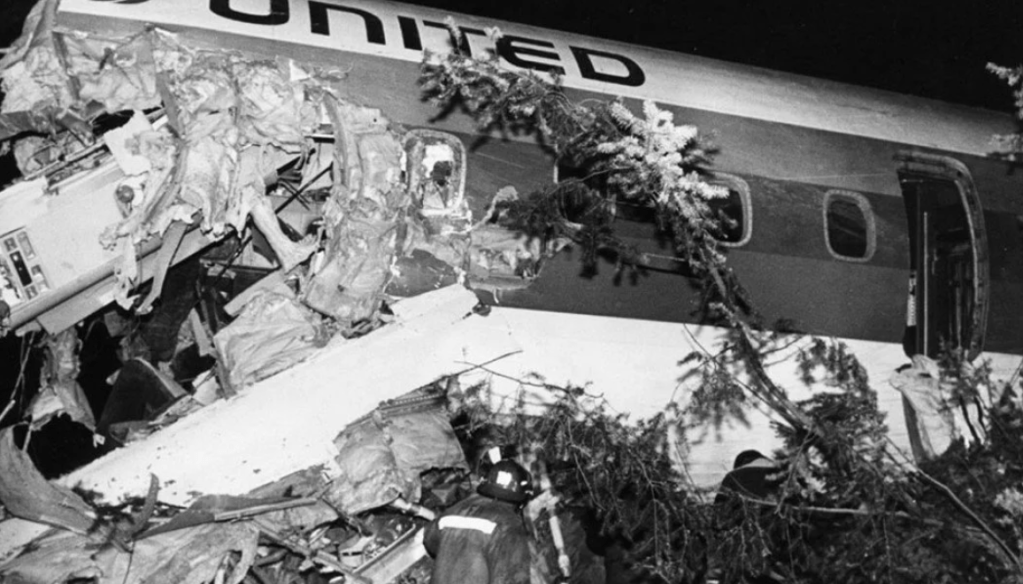
UA173 Crash
United Airlines Flight 173 crashed due to a combination of a landing gear malfunction, which led to fuel exhaustion, and the crew’s failure to manage the situation properly. The probable cause was the captain’s preoccupation with the landing gear issue, leading to a lack of proper monitoring of the aircraft’s fuel state and a failure to respond to the low fuel warnings from the crew. The accident highlighted the need for better crew resource management, emphasizing improved communication and decision-making among flight crews.
Safety Culture is how people behave towards safety when no one is watching
CRM training has become a cornerstone in aviation training and operation, but is not a stand-alone system, it’s embedded seamlessly into technical training, simulator sessions, organizational culture, and cross-department collaboration.
…
…
 AviCense